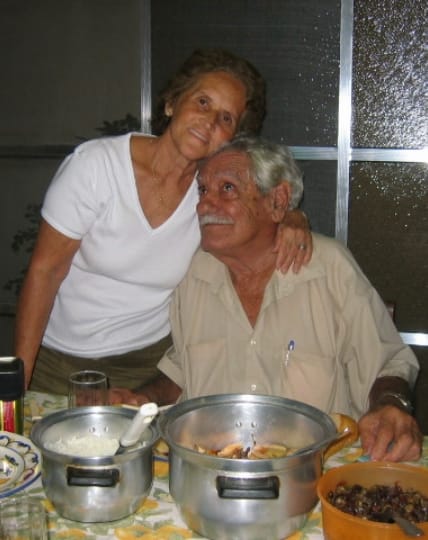
An exhibition that reveals the unique journey of Seu Jorge and Dona Ica in building a musical heritage that inspires Brazil and the world. The launch of the Museum honors these patriarchs, celebrating their incomparable history and legacy.

Jorge Assad

Angelina Assad
In 1946, Jorge and Ica Assad began a journey that would forever transform their family's history. United by love, courage, and unwavering faith in their children's talent, this simple yet visionary couple built the foundation of a beautiful musical utopia.
An exhibition that unveils the unique journey of Seu Jorge and Dona Ica in building a musical legacy that inspires Brazil and the world. The museum’s opening honors these patriarchs, celebrating their incomparable history and legacy.
The Wedding
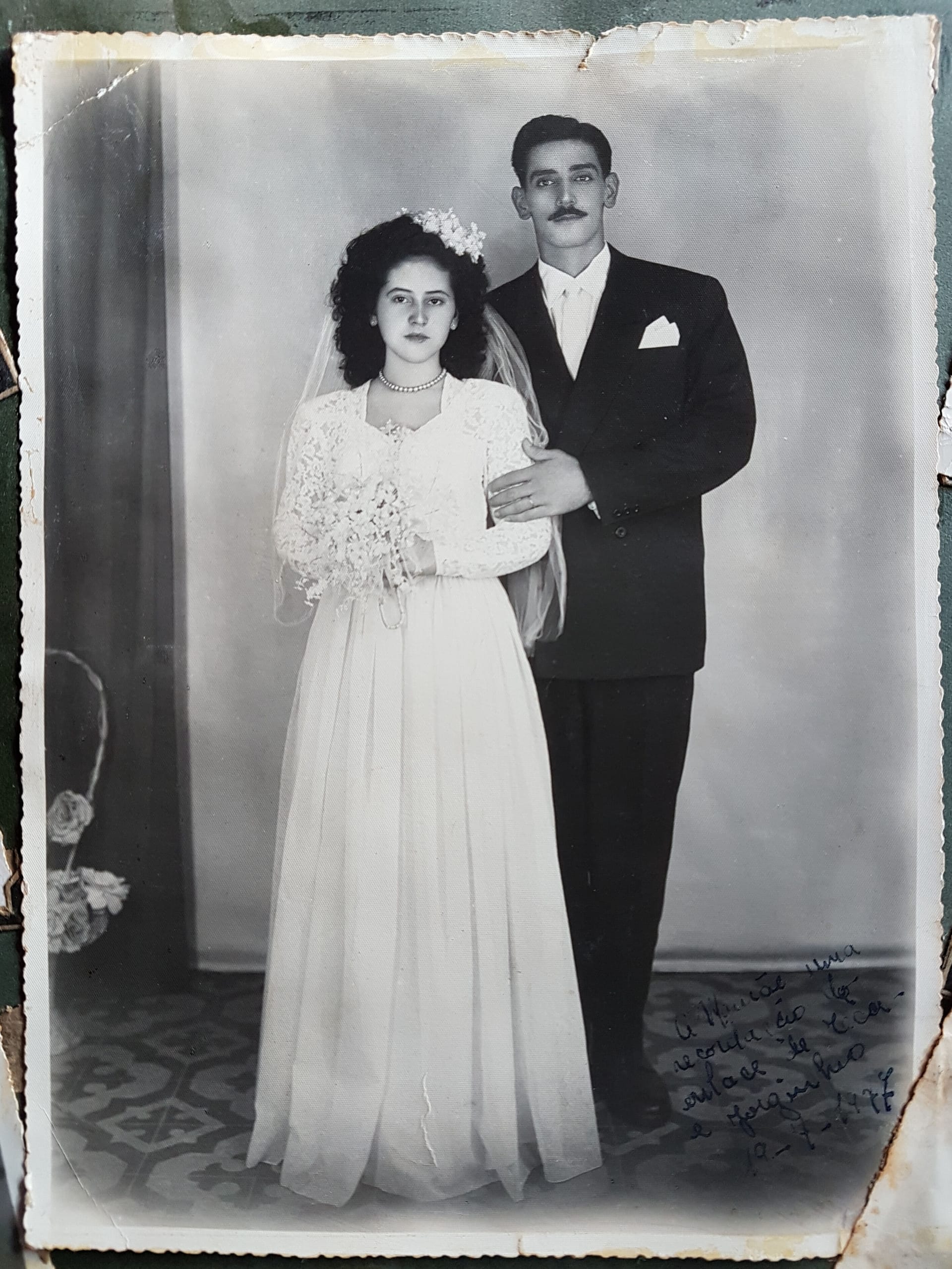
On July 19, 1947, Jorge Assad married Angelina Maria de Oliveira, who then took the name Angelina Assad. Following the customs of the time, once they had their first child, they became known as Seu Jorge and Dona Angelina — or Dona Ica, a nickname she had carried since childhood. At 22, Jorge wore a flawless black suit, his hair neatly combed, and a striking mustache. Angelina, just 16, wore her curly hair loose, held a bouquet of white flowers, and still bore the gaze of a young girl in adolescence.
They both shared a unique trait: they were the only natural-born musicians in their families, despite never having received any formal musical education. Angelina had sung since she was a little girl, while Jorge, after winning a cavaquinho in a raffle during his teenage years, taught himself how to play it. Though they never pursued music professionally, it was always present in their lives in one way or another. Together, they had four children: Jorge (nicknamed Cito), Sérgio, Odair, and Mariângela (known as Badi).
Devotion to family was always the foundation of the couple's journey. When they married, they could never have imagined how profoundly their lives would change upon discovering that all their children had musical talent. Despite financial hardship and countless challenges, Jorge and Ica embarked on a true mission: the musical professionalization of their children. Their tireless efforts were ultimately rewarded when Sérgio, Odair, and Badi became internationally respected musicians.
Throughout this journey, the couple experienced the true meaning of companionship, friendship, trust, loyalty, and love. Together, they built a powerful legacy grounded in struggle, perseverance, and the pursuit of a dream.
Drag and click to enlarge


The Honeymoon
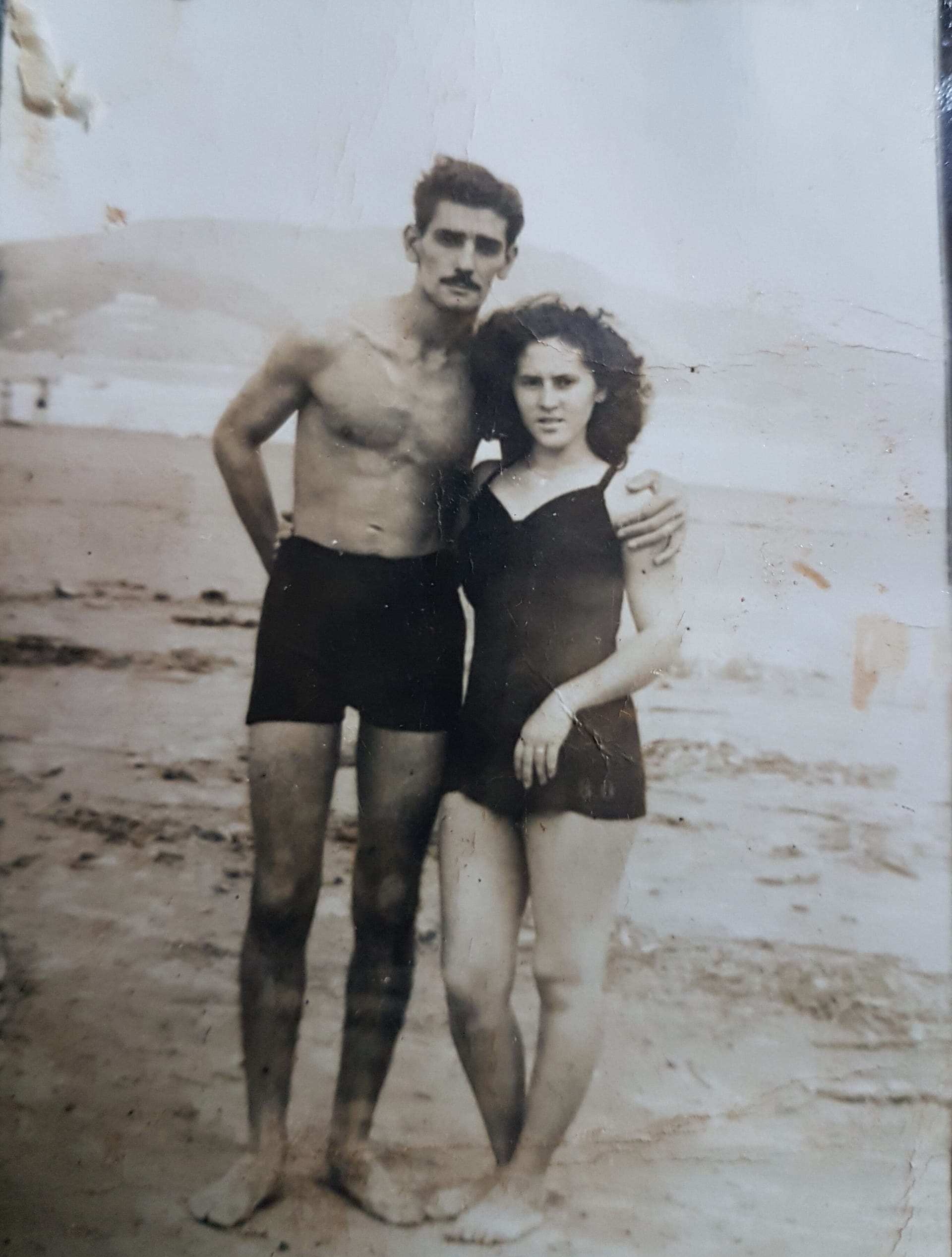
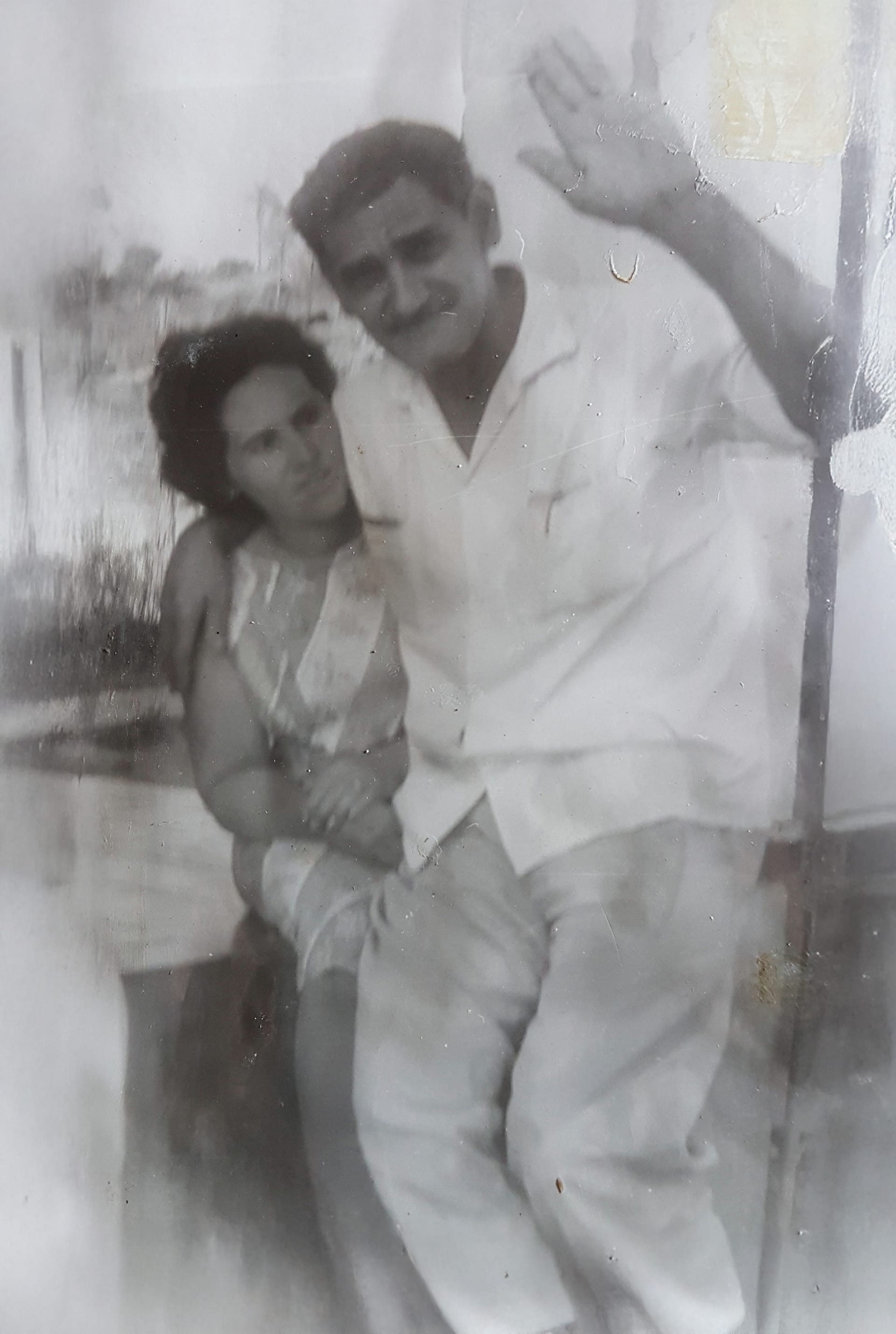
Jorge and Ica's honeymoon took place on the beach in Santos, along the coast of São Paulo. With the sea behind them and a lifetime ahead, the future seemed to revolve around a single desire: to build a family and provide for it.
At Ica's side, Jorge had no idea he would find the strength to face all the adversities life would throw his way. When they met, he worked as a snooker pool player. After their marriage, he became a self-taught watchmaker. Later, he reinvented himself as a house builder and, eventually, as a music teacher. The mandolin — which he also learned to play on his own after the cavaquinho — was his faithful companion from adolescence, even though his father, a Lebanese immigrant also named Jorge, had forbidden him from approaching musical instruments as a child. Ica, in turn, devoted her life to her husband and children, making Jorge's dream her own. For her, the most important thing was that everyone was safe and well.
They lived 65 years together, growing old surrounded by affection and life's simple pleasures: holding hands, choro music gatherings where he accompanied her singing with guitar, riverside fishing trips, and occasional ventures into the kitchen to prepare the only two dishes he ever learned to cook — pasta soup and pizza — always in an effort to help. He would bring her flowers stolen from the neighbor's yard and write her love notes. Ica always knew how to welcome her impulsive husband through all his different phases, remaining the pillar that allowed him to take risks.
At the end of their lives — Jorge passing in May 2011 and Ica in August 2024 — they were able to rest peacefully, knowing they had built a story that, touching in its simplicity, had moved many across generations.

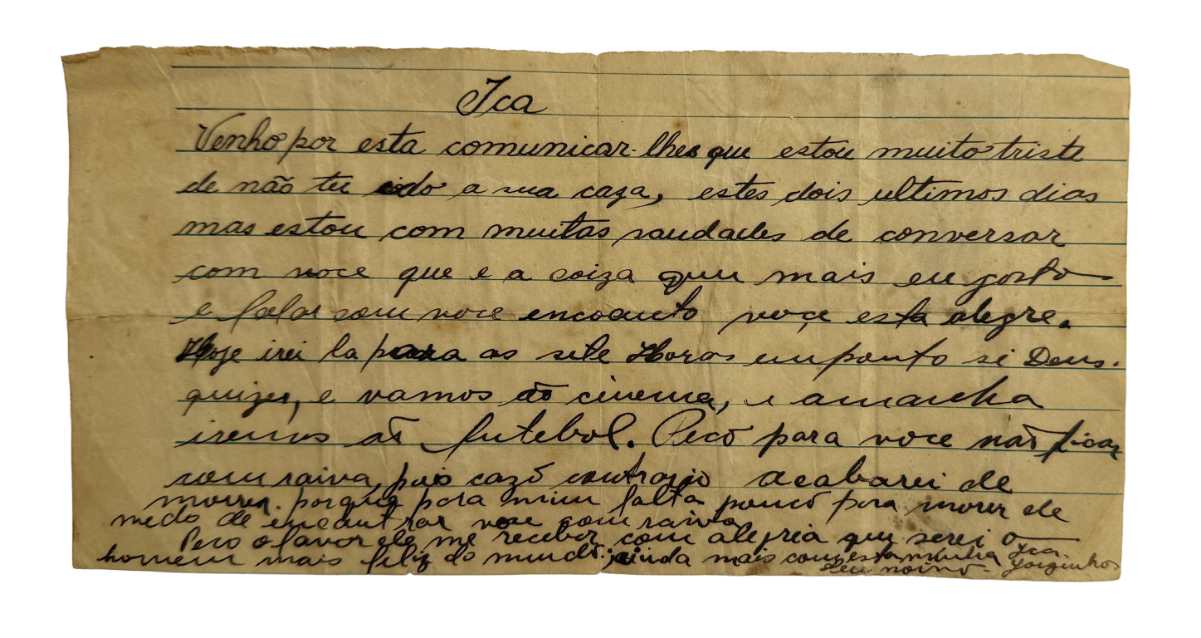
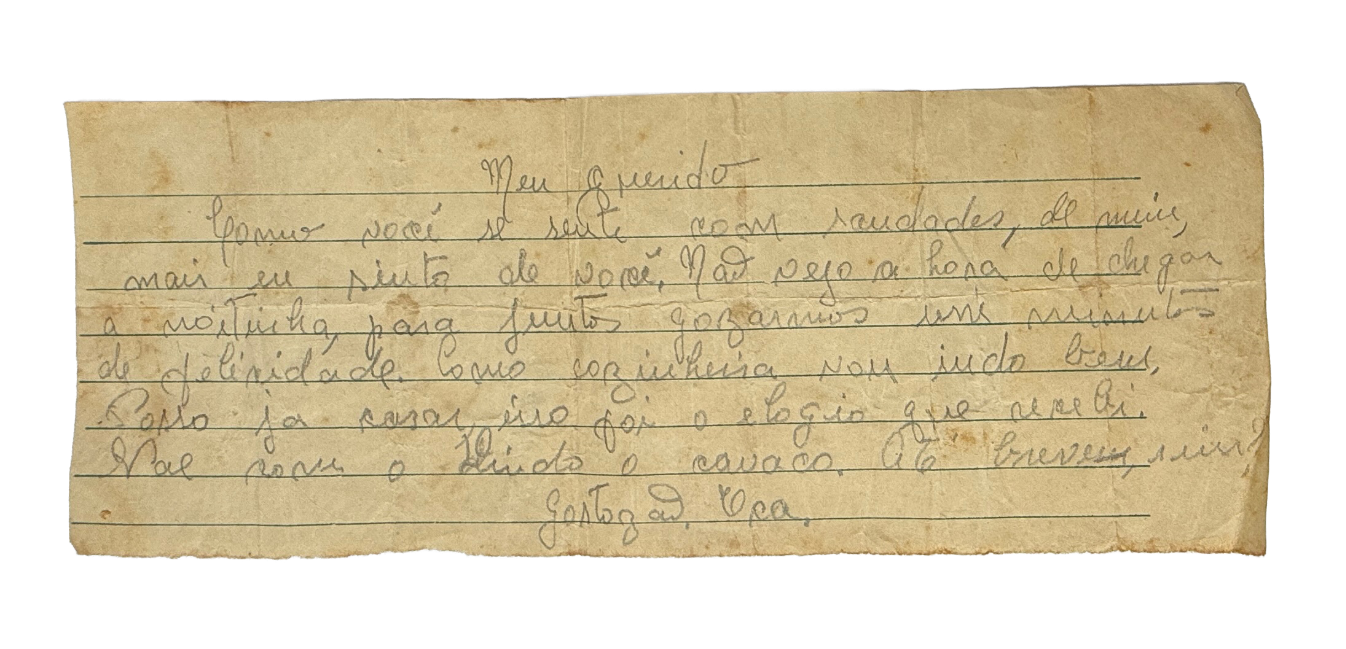
Exchanged notes during engagement time
Cito, the Firstborn
After their honeymoon, Jorge and Ica settled in the home of Ica's mother, Dona Mariquinha. In the first year of their marriage, on March 24, 1948, Ica gave birth to Jorge, affectionately nicknamed Cito from the cradle. However, the birth was complicated: it took longer than expected, and the baby, born with the umbilical cord wrapped around his neck, had to be delivered with forceps. The lack of oxygen caused two brain injuries that resulted in epilepsy — something that manifested when he was just three days old and remained with him throughout his life.
At the time of his birth, the small town of São João da Boa Vista lacked the proper medical resources to deal with a case like his. As a result, Cito was mistakenly treated with medication for syphilis, which caused irreversible damage. Throughout his life, he required special care, and the family faced this challenge with courage, love, and devotion, always providing the support necessary for his well-being.
Cito passed away on October 15, 2013, at the age of 64, leaving behind a legacy of strength and resilience that profoundly impacted the lives of his parents, siblings, and everyone who knew him.
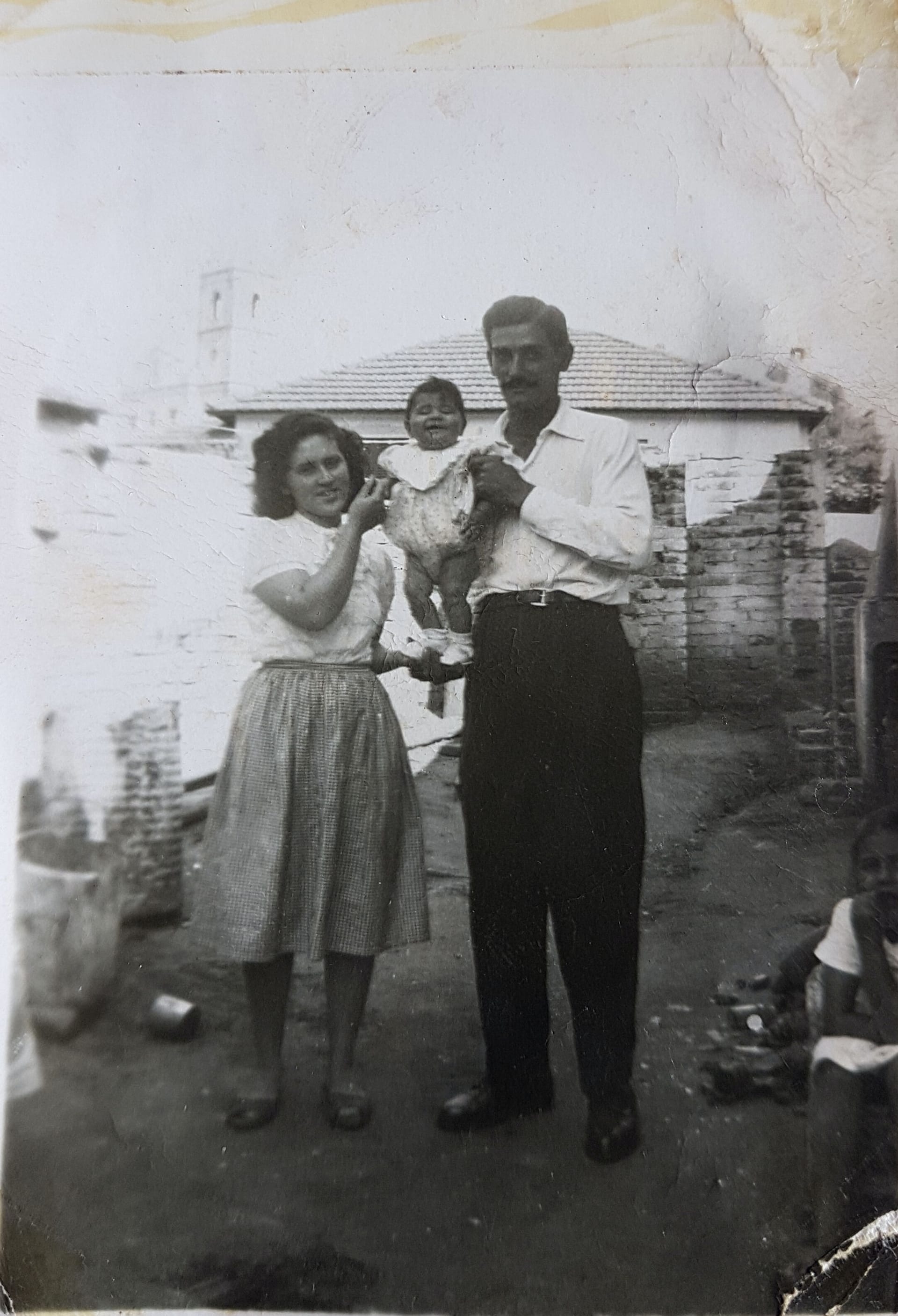



Relocations
Faced with the difficulty of caring for their firstborn, Cito, the couple began a journey in search of better living conditions. They first moved from São João da Boa Vista to try their luck in the nearby town of Vargem Grande do Sul. But Seu Jorge's watch repair business didn't succeed there either, just as it hadn't back in São João. Unable to pay the debt owed to the landlord for both the house and the shop, Jorge — a man of his word — ended up accepting a job from his creditor in São Paulo, aiming to settle the debt. After nearly two years, once the debt was paid off, they returned to Vargem Grande, where he reopened his small watch shop.
Dona Ica carried not only the difficult memories of their time in the capital — where they lived in a house without running water or electricity, with an outdoor bathroom and makeshift showers using a perforated tin can — but also carried Sérgio in her womb.
Back in Vargem Grande, Seu Jorge received an unexpected invitation to host a Sunday amateur music show on Rádio Clube de Mococa. The move to this new city happened quickly, and it was there that he formed the band Jorginho e Seu Regional. Sérgio was born in Mococa on December 26, 1952.
Although the radio salary was modest, when combined with the income from his newly reopened watch shop, the dream of building a home began to take shape when they heard about a small plot of land for sale. With help from his brother-in-law, Uncle Zé — a bricklayer — he began construction, despite having no experience in the field. But in a surprising turn of events, the owner of the bar where Jorge and his musicians rehearsed for the radio show was getting married and proposed a trade: the simple, newly built house in exchange for the bar, which had a small room in the back that could be converted into a home (though it would mean sharing the kitchen and bathroom with the bar's patrons).
With Seu Jorge and Dona Ica at the helm, the place quickly became a meeting point for local bohemians and earned the nickname Boate Astral ("Club Astral"). However, it didn't take long for them to realize that personal life and work were becoming unsustainably intertwined. It was during this period that Odair was born, on October 24, 1956.
Wanting to separate family life from business, Seu Jorge tried to build a new home that was more stable. However, the time he spent managing the bar and working on the new construction wasn't enough to prevent financial trouble, and the building costs exceeded his expectations. When he tried to sell the small townhouse to pay off debts, he couldn't get the price he hoped for. Out of pride — and without realizing it — he accepted an even lower offer from a friend in need, putting someone else's well-being before his own.
Faced with this new reality, the family was once again forced to start over. Ribeirão Preto became their next destination.
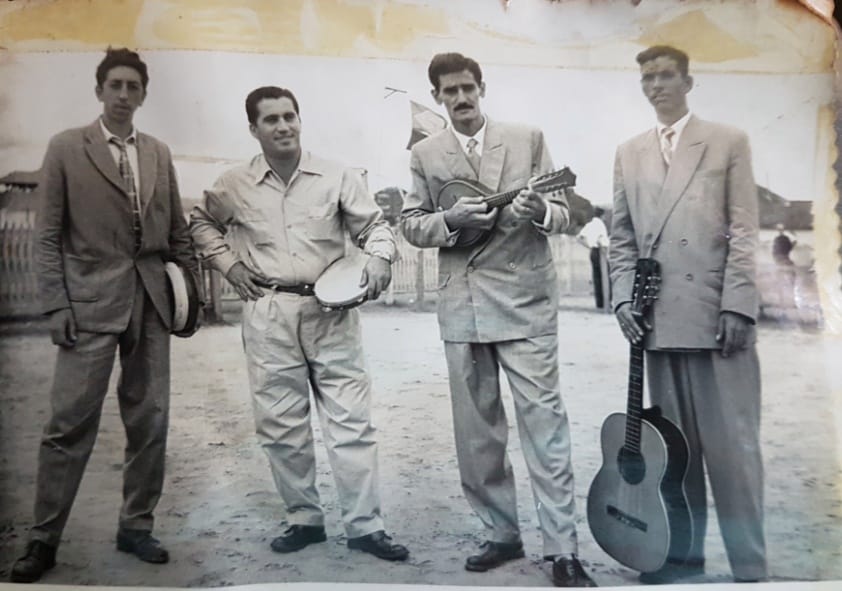
Seu Jorge and his music group, in Mococa.

Ribeirão Preto
After moving to Ribeirão Preto, the only work Seu Jorge could find was fixing watches that, in theory, couldn't be fixed. However, since the only house the family could afford was extremely deficient: no water, no electricity, no kitchen and very small, they decided to try their luck once again in São João da Boa Vista. When that attempt also failed, they returned to Ribeirão Preto, where he finally secured a job at a local watch shop.
But the family's story still held a twist of fate. During this period, Seu Jorge's mother, Dona Francesca, passed away. Although the inheritance was divided among eight siblings, it reignited the dream of owning a home. Unlike the previous attempts, this time, upon finishing the construction of the new house, Seu Jorge received another unexpected offer from a buyer. Knowing how much he had invested, he boldly asked for three times the amount spent — and was surprised when the man accepted!
With that money, he began buying plots of land and building new houses, taking on the roles of architect, engineer, and builder all at once. In total, he built five homes with his own hands, assisted only by two bricklayers.
However, when he discovered that his sons Sérgio and Odair had musical talent and began playing guitar with him, Seu Jorge abandoned the promising path as a builder and turned his full attention to a new dream: shaping a family of musicians.
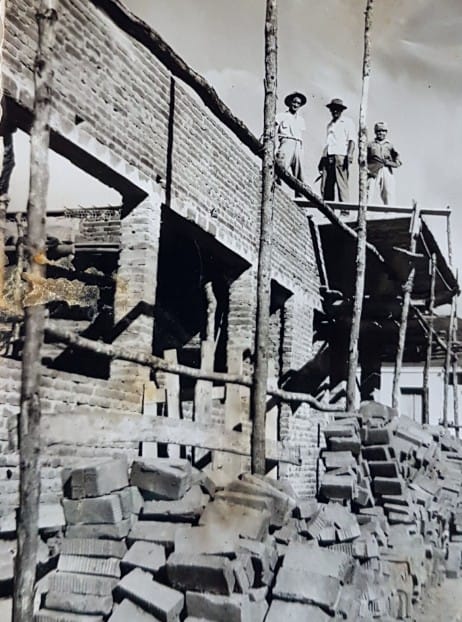
Seu Jorge, center, working on the construction of one of the houses he helped build.
The Sons Sérgio and Odair
Dona Ica had eight siblings, and one of them was Nico. One day, during a visit, Nico picked up the guitar that was always lying around the house and played two chords, accompanying a simple song for her to sing. Sérgio turned to his uncle for help with playing the guitar, as he often felt too intimidated to ask his father. After learning the first chords, Sérgio began spending his afternoons following his mother around, asking her to sing so he could practice.
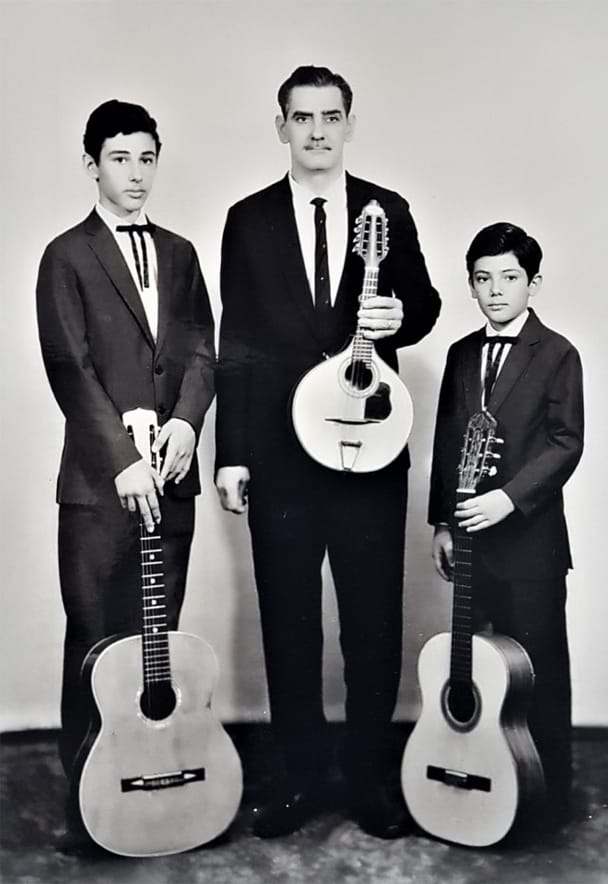
That same week, Seu Jorge — who, between the construction of the houses and his job at the watch shop, still found time to join local choro circles — came home and found his wife and son engaged in a musical moment. Surprised, he asked, "Do you really want to learn how to play that?" Seeing the boy's eyes light up and hearing his excited yes, he picked up the mandolin and began teaching him the first chords.
The next day, Odair — always eager to imitate his older brother — came over and said, "I want to learn too!" "You do? Then sit here next to your brother." And that's how the story began of the legendary Duo Assad, which would become one of the greatest guitar duos in history, acclaimed around the world.
Rio de Janeiro
Shortly before moving to Rio de Janeiro, the family was, for the first time, enjoying a financial situation that allowed them to relax. But everything changed when Seu Jorge learned about Professor Monina Távora — a former student of the legendary Spanish guitarist Andrés Segovia — and received confirmation that she would give lessons to Sérgio and Odair. That news turned their world upside down.
Their friends in Ribeirão Preto were stunned. To them, the idea seemed absurd: "How can you abandon everything and take a risk in an unfamiliar place after so much effort?" "All of this because of the kids' talent?" "A promising future? That's madness!"
Though the words seemed reasonable, Seu Jorge was completely consumed by the possibility. Dona Ica, with her sharp intuition, also sensed that something special was in the air. In her heart, there was a whisper that this was, indeed, the right decision to make.
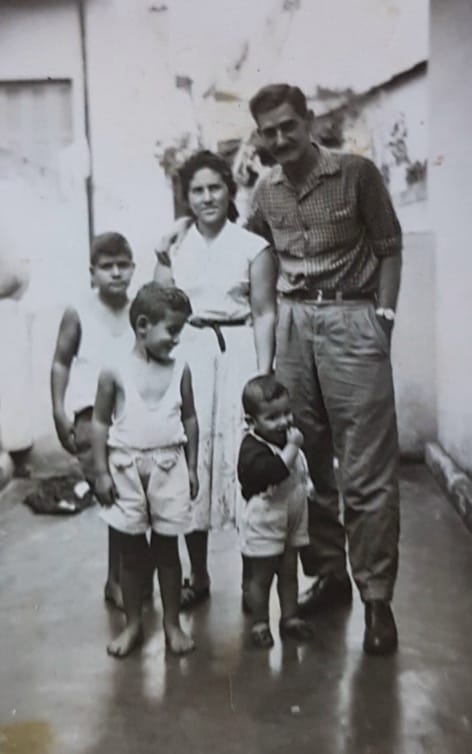
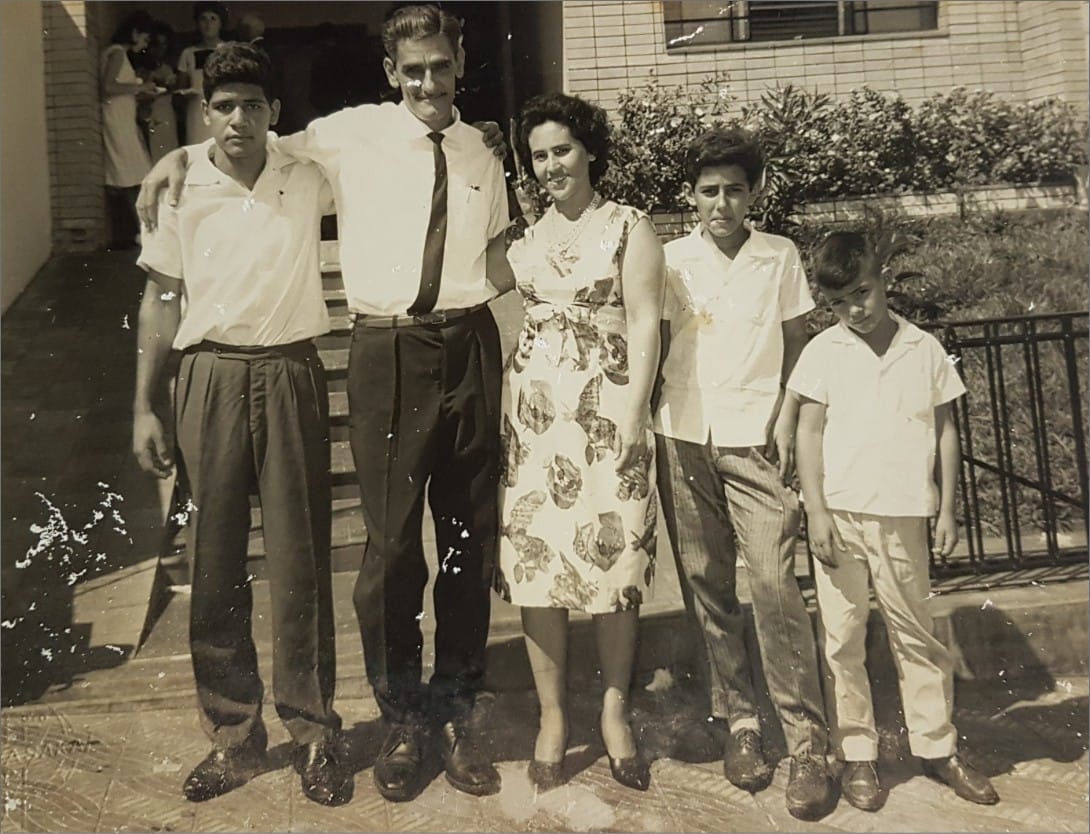
Together, they put their faith in destiny, leaving everything behind to embark on a journey of belief. With Sérgio, Odair, Cito, and Badi (born on December 23, 1966), the family began a new chapter — one full of challenges and hardships. But in the end, it would all be worth it.
Fornituras Marreta
Outside of São Paulo, the family faced major challenges in adapting. Unable to afford living near Professor Monina Távora in Botafogo, Sérgio and Odair had to travel long distances by public transportation — both for their music lessons and for school at Anglo-Americano, where they were granted scholarships thanks to the support of the Rio-based journalist Mazzo. For a number of reasons, he became the brothers' first manager.
The family initially lived in Brás de Pina, then moved to São João de Meriti, and finally settled in Campo Grande, where they lived at four different addresses over the course of ten years.
During that period, their lives underwent many changes. Seu Jorge, in addition to opening and closing several watch repair shops, ventured into a new business: Fornituras Marreta, a nomadic store specialized in selling watch parts. Through these efforts, the family gradually regained a measure of financial stability.
Cito, still dealing with epileptic seizures, kept Dona Ica constantly busy with his care. Meanwhile, Sérgio and Odair were taking their first steps in their musical careers and were invited to participate in an exchange program in the United States — Odair at just 13 years old, and Sérgio, about to turn 17. This marked the beginning of the journey of the "Mini Geniuses," as they became known at the time.
Despite all the challenges, Seu Jorge and Dona Ica remained focused on ensuring the well-being of their family, moving forward with unwavering determination. When the youngest, Badi, began showing musical talent at the age of four, they realized that the gift for the arts truly ran in the family's veins.

Friendships and Grandchildren
The family built lasting friendships in Campo Grande. Festive Sundays at the home of Melo and Moema became a cherished tradition, creating bonds that would endure for a lifetime. When they found a suitable place for a "residential" watch repair shop, Seu Jorge left Fornituras Marreta behind and founded Relojoaria Marreta. With the success of the business, he hired his friend Melo to manage the shop inside his family's home and opened a second location in the heart of Campo Grande. The first sales point operated in a makeshift space inside the Bar Canadá, where he worked at a narrow counter with his tools. But as demand grew, within less than a year, he was able to expand into a larger space.
On February 9, 1978, Sérgio and his new wife, Célia, welcomed their first daughter, Clarice. Shortly after, on June 30, 1979, Odair, who was living with Priscila, had Carolina. Both daughters soon showed musical talent as well. Clarice, in particular, would go on to become one of the most prominent artists of her generation. Later came Rodrigo, Clarice's younger brother, and Gustavo, Carolina's younger brother.
With his children beginning to gain international recognition and Badi about to enter high school, Seu Jorge felt that his mission to support his children had been fulfilled. He now wanted to offer his youngest daughter a quieter life, far from the noise and rush of Rio's urban center. Convinced of this, he persuaded Dona Ica to return to the countryside of São Paulo.
In São João da Boa Vista, after 30 moves throughout their lives, they settled into what would become the couple's final home. A new chapter in their lives was about to begin.
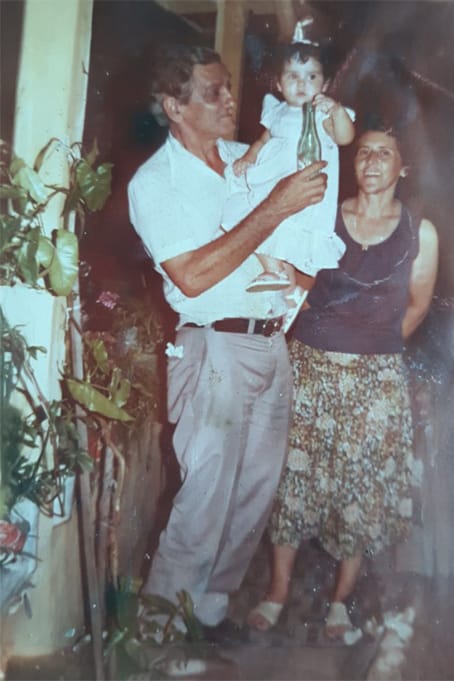
Golden Wedding Anniversary
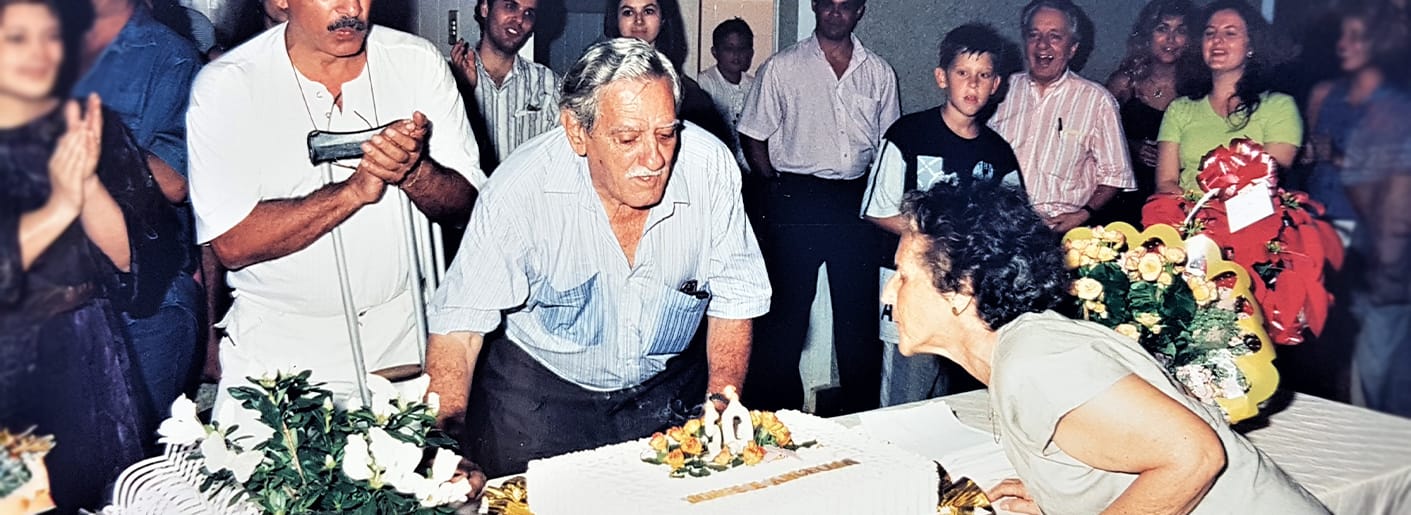
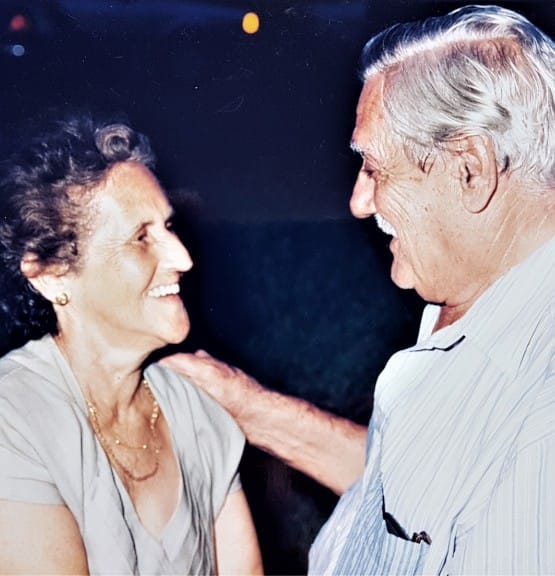
Seu Jorge and Dona Ica during their Golden Wedding Anniversary celebration
When the couple reached their 50th wedding anniversary in July 1997, they celebrated with a large gathering of family and friends. The celebration already reflected the growing logistical challenge of bringing the whole family together, as — except for Cito, who always lived by their side — all of the children and grandchildren were living in different places.
At that time, Sérgio and Odair had already moved to Europe, where they lived with their current wives. Both had become fathers again: Odair, with Fà (from Brussels), had Camille; while Sérgio with Brigitte (from France), had Julia. Badi, meanwhile, was living in São Paulo and was already part of the international music scene, celebrating the release of her third album — while Sérgio and Odair marked 17 years of career.
Three years before the Golden Anniversary, Sérgio had been widowed, but he arrived at the party with his new girlfriend and future wife, the astrophysicist Angela Olinto.
Around that same time, Seu Jorge had retired from watchmaking and, unexpectedly, was invited to teach guitar and mandolin at the public school in São João da Boa Vista — a position he held for seven years, until his second retirement, this time as a teacher.
The celebration was not only a party but also a tribute to the family's musical legacy and to the personal accomplishments of their children. With joy and pride, Seu Jorge and Dona Ica reflected on five decades together, surrounded by love.
Note: In the background, to the right, you can see TV actor Rogério Cardoso, a close family friend since youth.

Depression
The Golden Anniversary gifts were symbolic and filled with affection: Dona Ica received new dish-ware, while Seu Jorge received a mandolin. She would redecorate the kitchen and learn new recipes to prepare for the family, and he would play music once again with his new students.
In that festive moment, no one could have imagined that he would soon begin to feel discouraged. However, after retiring and seeing his last two students — Josiane and Daniel — leave to study at the Conservatory of Tatuí, he lost all enthusiasm. At 76 years old, he went as far as removing all the strings from his mandolin, declaring he would never play again.
But destiny had other plans. Not long after, a young boy named Micael Chaves appeared at his door. Just twelve years old, the boy managed to reignite the spark of music in his heart. For six years, Micael sat by his side daily, becoming the student with whom Seu Jorge spent the most time teaching.
This new energy was so revitalizing that, in the year 2000, Seu Jorge — alongside Dona Ica — accepted an exciting new invitation: to join the Família Assad stage show.
(Note: On April 21, 2022, Micael would go on to found the Clube do Choro Jorge Assad in São João da Boa Vista, in his honor)
The Assad Family – The Show
The family's onstage journey began with the recording of a concert at the Teatro de Táboas in São João da Boa Vista, on Christmas of 2001. This performance would mark the beginning of a series of family reunions on stage: Seu Jorge, Dona Ica, their children Sérgio, Odair, and Badi, and their grandchildren Clarice, Carolina, and Rodrigo (who also revealed himself to be a singer). The performance was recorded and turned into a short film titled Suite Assad, directed by filmmaker Joel Pizzini.
In 2004, the family embarked on a tour across the United States, performing on major stages. The debut took place at the Temple of Dendur, inside the Metropolitan Museum in New York City. The end of the tour was marked by an emotional onstage celebration of Seu Jorge's 80th birthday.
Following that tour, the family traveled to Europe to record the CD and DVD Um Momento de Puro Amor ("A Moment of Pure Love"), filmed live at the Palais des Beaux-Arts in Brussels and released by the GHA label in 2006. The project was a great success, further cementing the Assad family's musical legacy.
In 2007, during the Brazilian release of the DVD, the Assad Family performed at the Teatro do Ibirapuera in São Paulo, followed by a concert at the Canecão in Rio de Janeiro — just one month after the birth of Sofia, Badi's daughter with Dimitri.


The Brazilian Billie Holiday
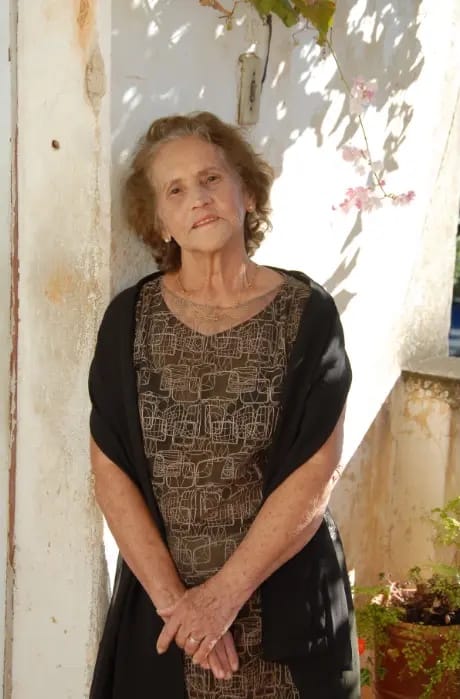
Photo shoot of Dona Ica for her album 'For All My Life'.

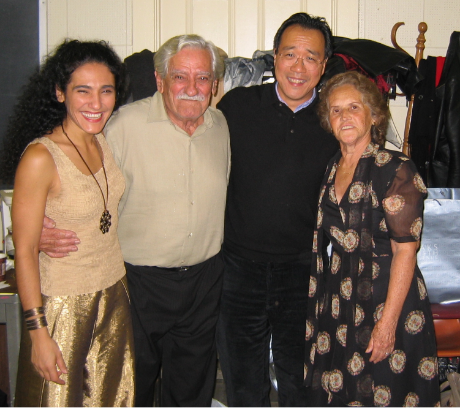
Before the official debut of their U.S. tour, the family gave a performance in New Paltz, a small town near New York City. The goal was to ease everyone's nerves — after all, it's not every day you debut in the heart of Central Park, inside such a prestigious museum. Choosing a smaller venue seemed like a way to soften the impact for Seu Jorge and Dona Ica, while also offering a more relaxed experience for Carolina and Rodrigo, who would be singing abroad for the first time. At that point, Clarice was already living in the United States, having graduated in composition from the University of Michigan School of Music.
What no one expected, however, was that in the audience sat the renowned cellist Yo-Yo Ma, who had previously recorded and toured several times with the Assad Duo. Seu Jorge, visibly nervous, glanced at Dona Ica, who, with her eyes closed, radiated serenity. She would later be hailed by the LA Times as "The Brazilian Billie Holiday."
At the end of the performance, Yo-Yo Ma came backstage, kissed Dona Ica's hands, and thanked her and Seu Jorge for raising a family as musically impressive as it was harmonious.
The Diamond Anniversary
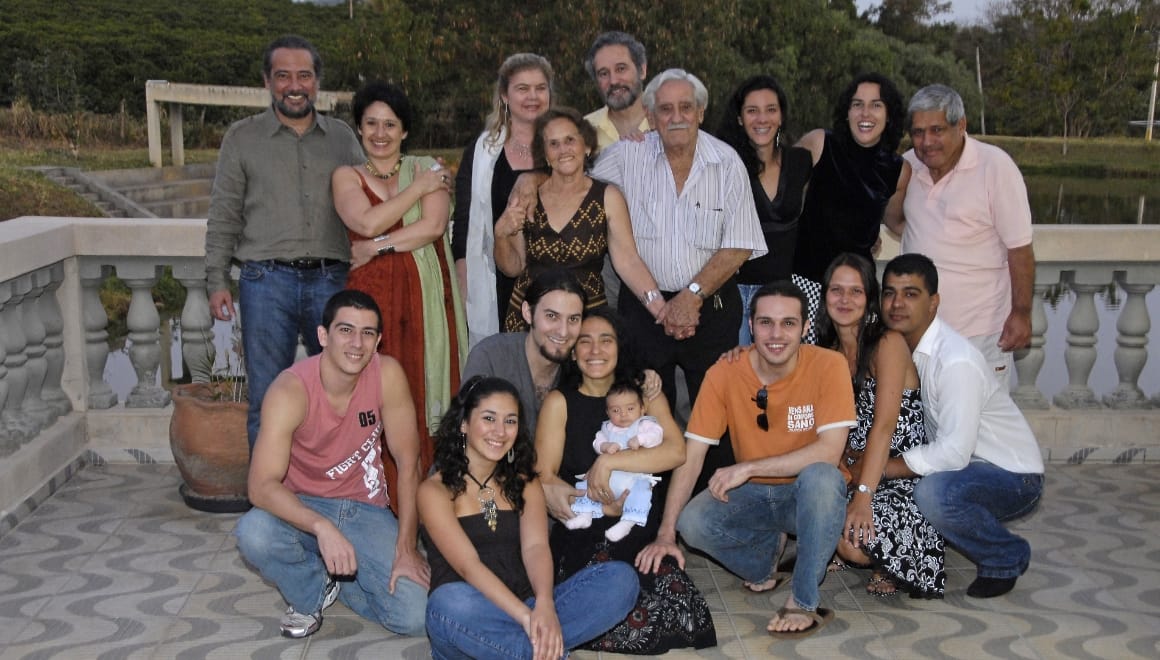
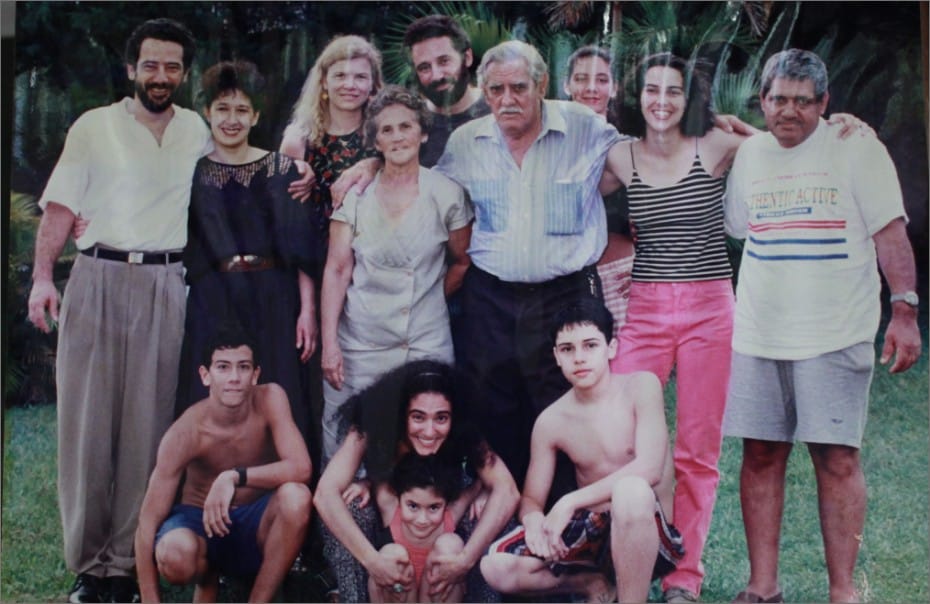
In 2007, shortly before the Brazilian release of the DVD Um Momento de Puro Amor ("A Moment of Pure Love"), the family reunited once more — this time to celebrate the 60th wedding anniversary of Seu Jorge and Dona Ica. The official photo of the celebration featured even more family members. From left to right: Odair, Fà, Angela, Sérgio, Carolina, Clarice, Cito, Dona Ica, Seu Jorge, Gustavo, Camille, Dimitri, Badi, baby Sofia, Rodrigo, and Hélène (Fà's daughter), accompanied by her husband, Beto.
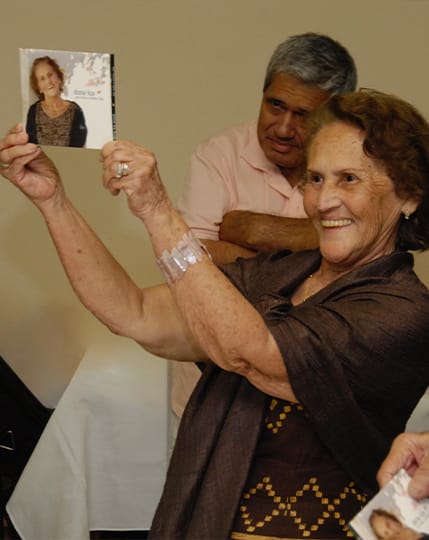
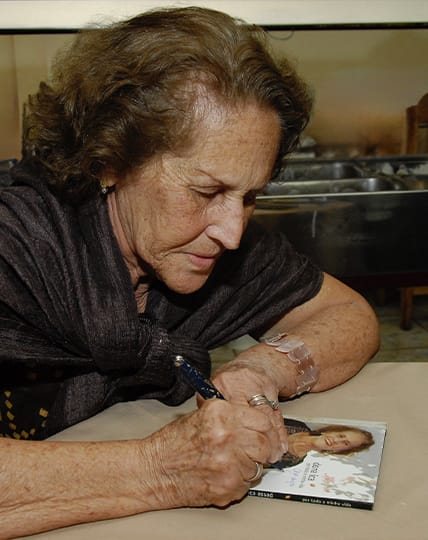
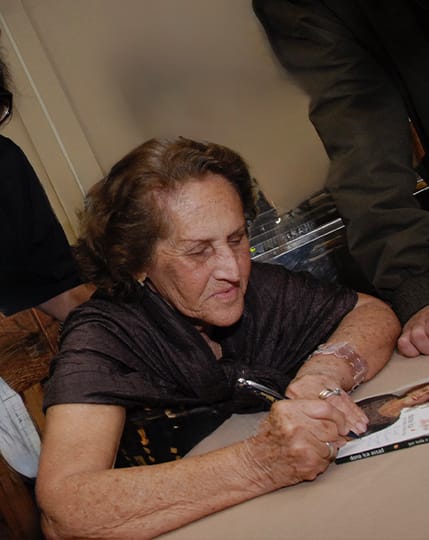
Friends from many stages of life were also present. The party was filled with live music and joyful memories. After the cake was cut, a heartwarming surprise was prepared for Dona Ica and the guests: her children presented her with her own CD, Por Toda a Minha Vida ("For All My Life"), recorded the year before, featuring professional musicians alongside her children and husband. The emotion in the room was palpable as guests asked for autographs and took home such a special keepsake.

From left to right: Marcos Bailão, Roberta Valente, Alessandro Penezzi, Daniel Pereira.
Drag and click to enlarge


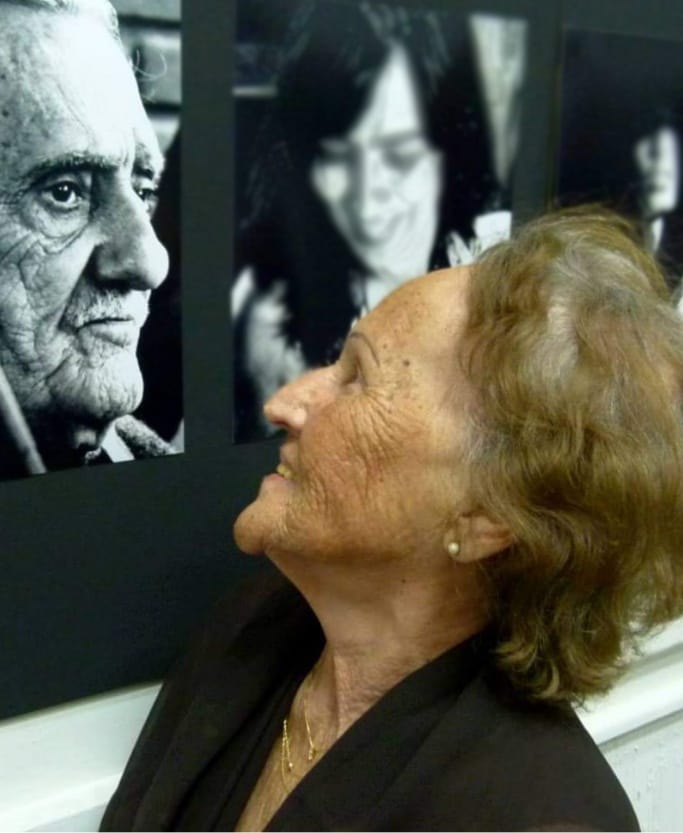
On the afternoon of July 15, 2011
The Passing of Seu Jorge
On the afternoon of July 15, 2011, Seu Jorge walked down the stairs connecting his bedroom to the living room and asked his wife for a glass of water. As she approached, he lost his balance, struck his head on her shoulder, and collapsed into her arms. Victim of a sudden heart attack, he passed away — right there, looking deeply into the eyes of the woman he loved most in life.
⸻
The Passing of Dona Ica
The Festival Assad, which over more than a decade has come to be regarded as one of the largest and most important instrumental music festivals in the country, has been held annually since 2012 at the Municipal Theater of São João da Boa Vista. Created in honor of the Assad Family, the event prepared a grand celebration in 2024 to mark the 100th anniversary of Seu Jorge's birth. The family planned to reunite once again to recreate the historic photos from their Golden and Diamond Anniversaries. At the time, they didn't know it would be the last time they'd all be together with Dona Ica.
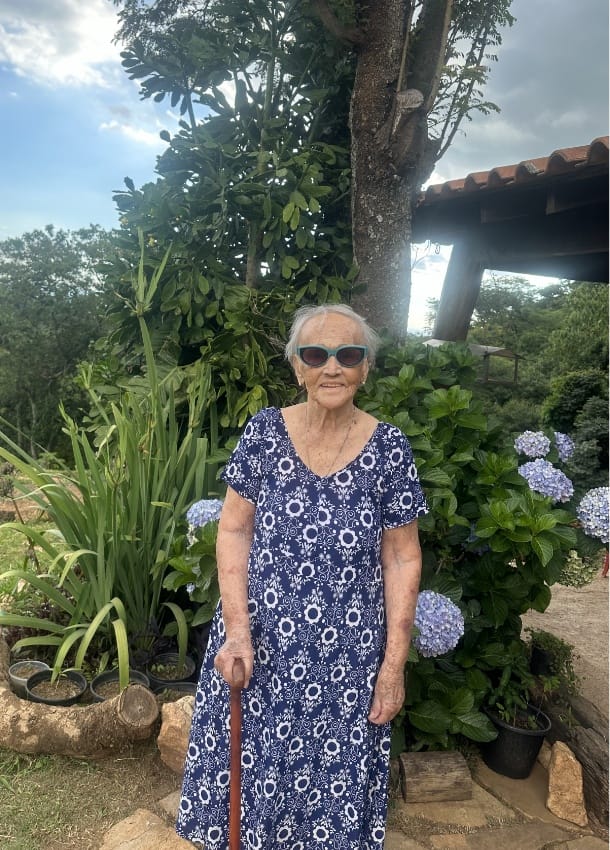
That same month, family members came — once more — from different cities around the world for the celebration. However, on July 9, just days before everyone began to arrive, Dona Ica suffered a stroke. On the night of August 7, just one week after the festival ended, she passed away.
But the image that will remain from her final days is this: even with a nasogastric tube, she sang — showing once again how deeply family and art were woven into the fabric of her long and beautiful life.
On the night of August 7th